How to Ship Dangerous Goods from China: A Practical Guide for Importers
Learn how to ship dangerous goods from China — DG classification, UN numbers, required documents, packaging rules, costs and the fastest way to move hazardous cargo from Chinese ports.
Most importers discover the hard way: the factory confirms the order, the cartons arrive at the port, and suddenly a forwarder says the cargo cannot load because it is classified as dangerous goods. Batteries, paints, resins, aerosols, cleaning chemicals and even certain electronic components all fall into this category. The good news is that shipping dangerous goods from China is completely routine — as long as you follow the classification, documentation and packaging rules. This guide explains the process in plain language. 📦
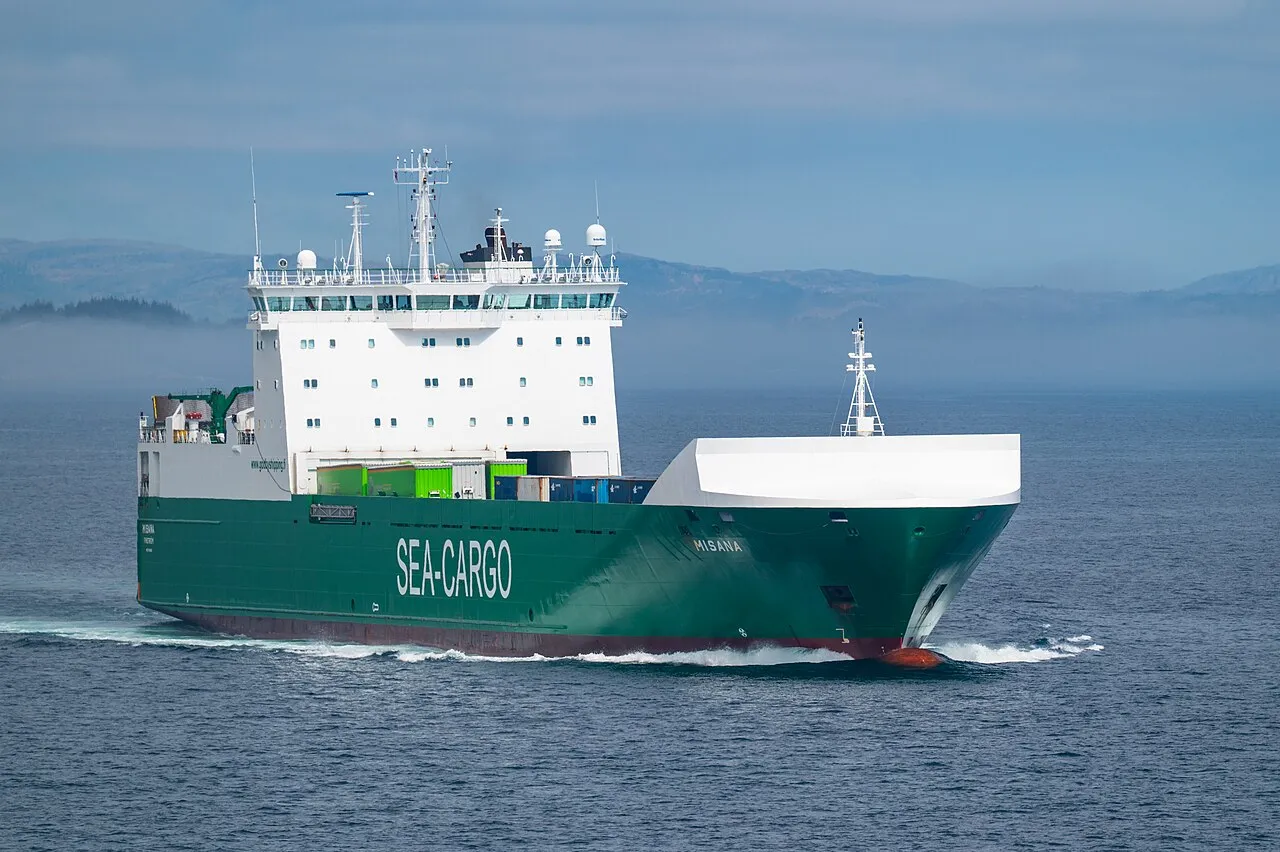
What Counts as Dangerous Goods and How Is It Classified?
Dangerous goods (DG) are products that pose a risk to safety, health or the environment during transport. The international system divides them into nine classes: explosives, gases, flammable liquids, flammable solids, oxidizers, toxic and infectious substances, radioactive material, corrosives, and miscellaneous items such as lithium batteries.
Every dangerous good must be assigned a UN number — a four-digit code that identifies the substance — plus a proper shipping name and a packing group. For example, lithium-ion batteries are UN3480, while paints are usually UN1263. This classification decides which vessels, aircraft, routes and packaging types are allowed. A forwarder checks the MSDS (Material Safety Data Sheet) of your product to confirm the UN number before booking, because getting the class wrong can stop the shipment at the terminal gate. 🚢
Documents and Packaging Rules for Shipping Dangerous Goods from China
The paperwork for hazardous cargo is stricter than for standard freight. For ocean shipments you need the Dangerous Goods Declaration, the MSDS, and a booking confirmation that states the UN number, class, packing group and gross weight. For air freight, the shipper must additionally provide a Shipper's Declaration for Dangerous Goods, and many airlines require approval before accepting the cargo.
Packaging is where most first-time shippers stumble. DG cargo must use UN-certified packaging — marked with the UN specification symbol and approved for the specific packing group. Outer cartons must carry the correct hazard label, the UN number and the proper shipping name, and each package must be tightly secured inside the container. Approved packaging usually means a UN-approved fiberboard box, steel drum or plastic jerrycan, depending on the product. Good forwarders photograph the packages before loading so there is clear evidence of compliance. ⚠️
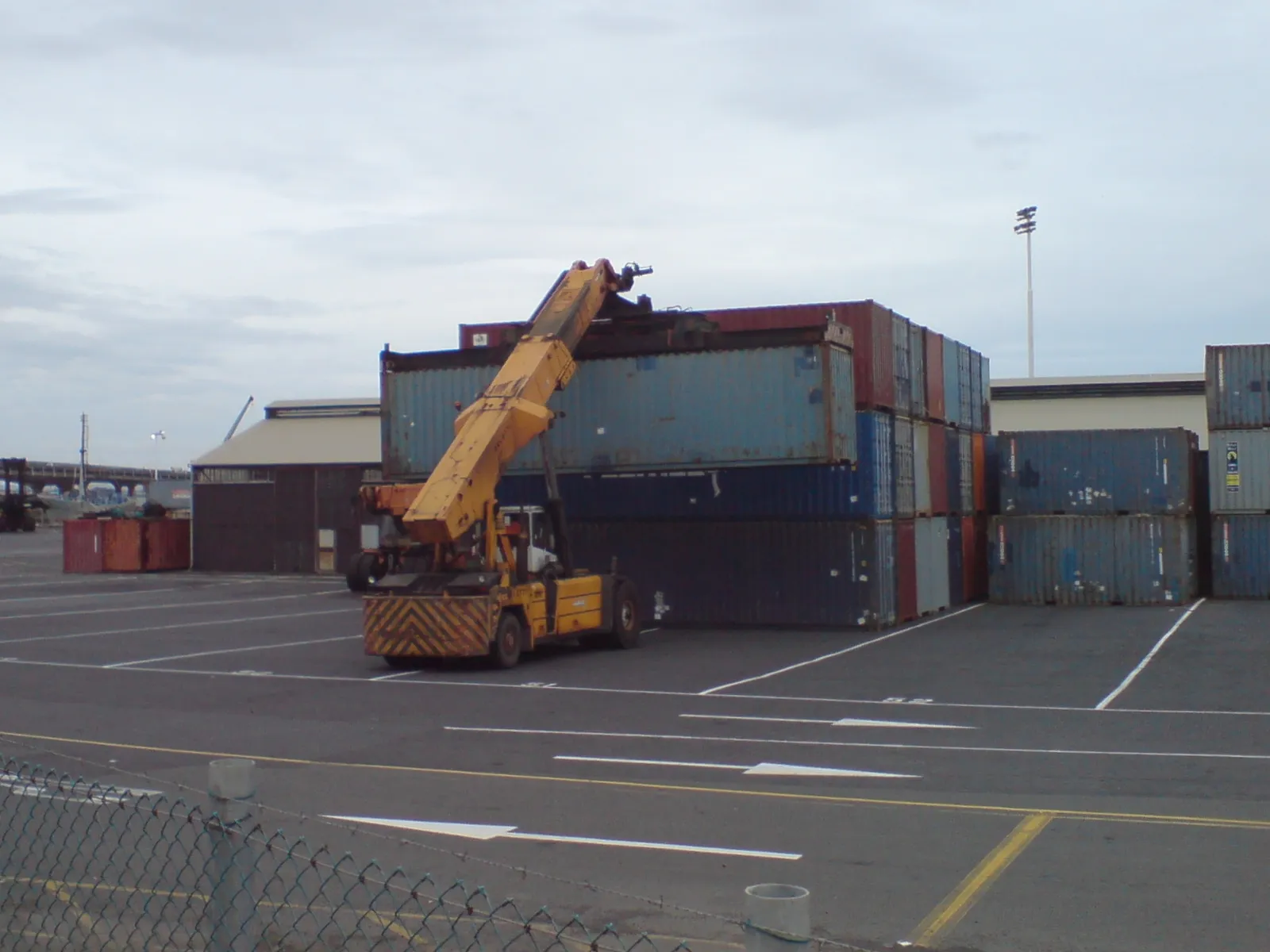
How Much Does It Cost to Ship Dangerous Goods from China?
Expect to pay more for hazardous shipments than for standard cargo. The surcharge comes from several sources: container space is restricted because many shipping lines accept only a limited number of DG containers per vessel, the cargo needs specialized handling and segregation, and terminals charge separate storage and port fees. As a rough guide, a 20-foot DG container can cost 20–40% more than the same slot for ordinary freight, and air freight surcharges can be even higher.
Cost also depends on the class. Class 9 items such as lithium batteries are relatively easy to move and attract smaller surcharges, while classes 1, 6 and 7 face stricter rules and higher rates. The fastest way to control cost is to book early: allocations on popular routes fill quickly, and last-minute bookings pay the highest premiums.
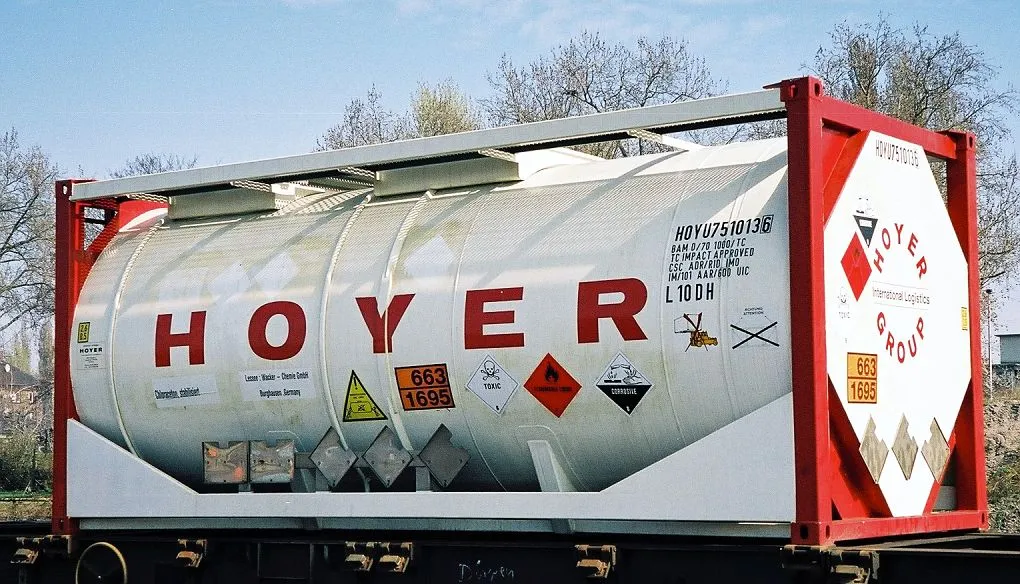
How a Freight Forwarder Makes Dangerous Goods Shipping from China Simple
You do not need to become a DG compliance expert. A China-based freight forwarder with a licensed DG team handles the entire chain: reviewing the MSDS, confirming the UN number and class, preparing the Dangerous Goods Declaration, booking a line with DG space, arranging UN-certified packaging, and coordinating terminal handling and segregation. On the destination side, the forwarder ensures the arrival notice and documentation reach your customs broker in time, so the shipment clears without unnecessary inspection holds.
The same rules apply whether you move hazardous cargo by ocean, air or rail from Chinese ports. Working with one forwarder for all modes keeps your MSDS, declarations and labels consistent across every shipment, because DG rules change — the lithium battery regulations, for example, are updated regularly and a stale MSDS can ground a booking.
Shipping dangerous goods from China is not complicated when the right checklist is followed: confirm the UN number before booking, use UN-certified packaging, prepare every declaration in advance, and let a forwarder with a DG desk handle the rest. For reliable dangerous goods shipping china by ocean, air and rail — and honest advice on whether your product needs DG treatment at all — visit www.globalfreight-cn.com for a free consultation. ⛴️
---
Need to ship goods from China? We're a China-based freight forwarder focused on export logistics — ocean, air and rail freight from Chinese ports, with dangerous goods handling, customs clearance, warehousing and door-to-door support.
Get an Instant QuoteOr chat with us right now — tap the green WhatsApp bubble at the bottom right corner of this page.
WhatsApp: +86 150 1170 4169
Frequently Asked Questions
Are lithium batteries always classed as dangerous goods?
Yes. Standalone cells and packs are UN3480, and batteries packed with or contained in equipment are UN3481. Both fall under Class 9; the difference is in packaging, state of charge and documentation, with UN3480 the most restricted.
Do I need an MSDS for every dangerous goods shipment?
Yes, and it must be the complete 16-section version. Many categories also require a third-party transport condition report before a carrier will accept the booking.
Can dangerous goods be shipped as LCL?
Rarely. Most carriers will not consolidate DG cargo with general goods, so it usually moves as a full container with DG space approved in advance.
Is dangerous goods shipping much more expensive?
Higher than general cargo, because of the DG surcharge, dedicated yard handling and the approval lead time. The difference varies widely by class and route, so we quote it case by case.
Can different DG classes share one container?
Only if the IMDG segregation table allows it. Many combinations are prohibited, so we check the classes against the table before booking rather than after loading.
Related reading
- Rail freight from China to Europe — transit times, terminals and what the rate covers
- How to calculate shipping costs from China — the formula behind every quote
- Shipping from China to Europe — sea vs rail vs air compared
Need a number for your own cargo? Send us the route, the volume and the destination and we reply within one business day.