LCL vs FCL Shipping from China: How to Choose the Right Ocean Freight Option
Choosing between LCL and FCL shipping from China is one of the first decisions every importer faces, and getting it right can save hundreds of dollars per shipment. LCL (less than container load) and FCL (full container load) are the two standard ways to move ocean freight from Chinese ports, but they suit very different cargo profiles. This guide explains the real differences between them and gives you a simple framework for picking the option that matches your cargo volume, budget, and delivery deadline.
Choosing between LCL and FCL shipping from China is one of the first decisions every importer faces, and getting it right can save hundreds of dollars per shipment. LCL (less than container load) and FCL (full container load) are the two standard ways to move ocean freight from Chinese ports, but they suit very different cargo profiles. This guide explains the real differences between them and gives you a simple framework for picking the option that matches your cargo volume, budget, and delivery deadline.
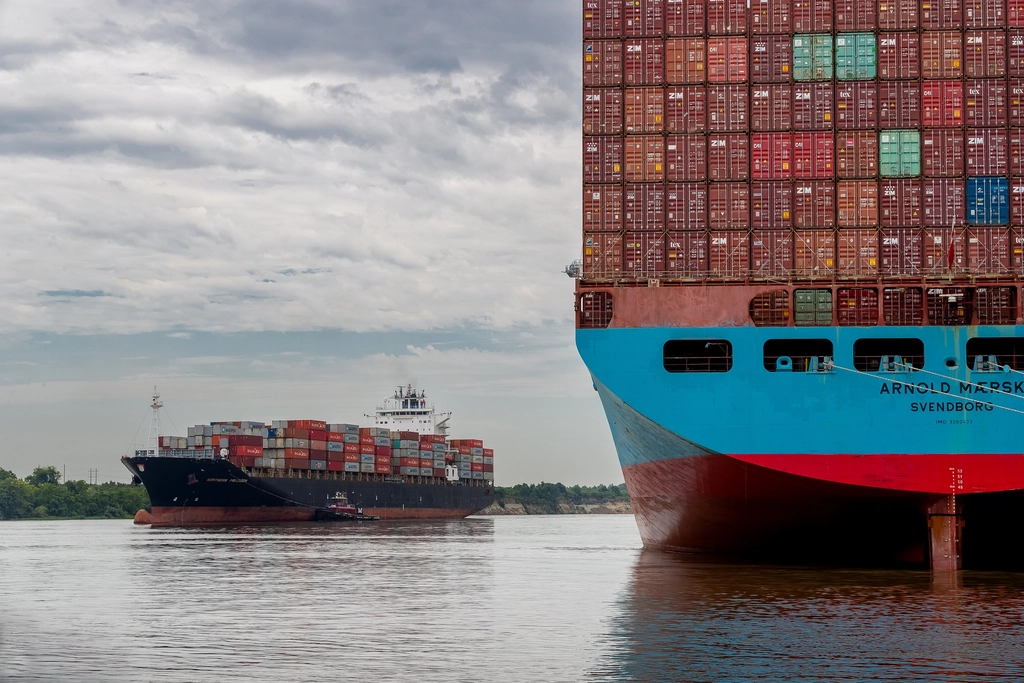
LCL vs FCL: Understanding the Two Options
LCL means your goods share a container with cargo from other shippers. A freight forwarder consolidates multiple shipments at a Chinese warehouse, stuffs them into one box, and de-consolidates them at the destination port. You pay only for the space your cargo occupies, usually measured in cubic metres (CBM), with a minimum charge of around 1 CBM. FCL means you book an entire 20-foot or 40-foot container, and your goods are the only cargo inside.
The most obvious difference between LCL and FCL shipping from China is cost structure and control. LCL charges per CBM, which is ideal for small shipments; FCL charges a flat rate per container, which lowers the per-unit cost once you have enough volume to fill the box. FCL also gives you exclusive use of the container, so there is less handling, fewer touch points, and a lower risk of damage or delay.
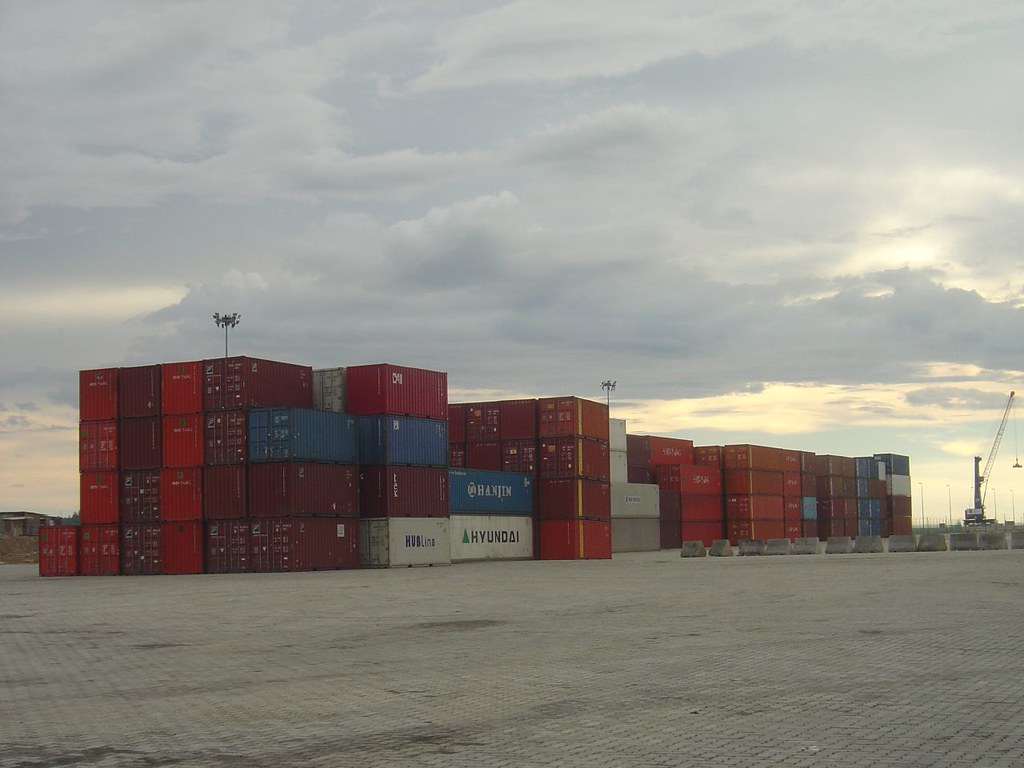
LCL vs FCL Shipping from China: How to Choose
There is no single best option — the right choice depends on your specific shipment. Use these four questions as a quick checklist.
1. How much cargo do you have? As a rule of thumb, LCL makes sense when your cargo is below 15 CBM, and FCL becomes more economical when you reach roughly 15–20 CBM or when your goods are heavy. A 20-foot container holds about 28 CBM but has a payload limit around 28 tonnes, so if your cargo is dense, FCL can be cheaper even at smaller volumes.
2. What is your budget? LCL keeps your cash outlay low for small orders and lets you ship goods from multiple suppliers in one consolidated batch. But LCL involves extra fees: origin consolidation charges, destination de-consolidation fees, and higher per-CBM ocean freight rates. FCL has a higher upfront price but fewer surprises, and the total cost per cubic metre drops sharply once the container is full.
3. How urgent is your shipment? LCL shipments usually add three to seven days at both origin and destination because of consolidation and de-consolidation, and they depend on the forwarder's consolidation schedule. If you need predictable transit time, a direct FCL sailing from the Chinese port to your destination port is usually more reliable for sea freight from China.
4. Is your cargo fragile, valuable, or time-sensitive? LCL cargo is loaded and unloaded multiple times and may be moved inside the container to balance weight. For fragile or high-value goods, FCL reduces handling and the risk of damage, and it is the only option that lets you seal the container at origin and keep it sealed until delivery.
The bottom line for LCL vs FCL shipping from China is simple: small, mixed, low-value cargo goes LCL; large, heavy, fragile, or urgent cargo goes FCL.
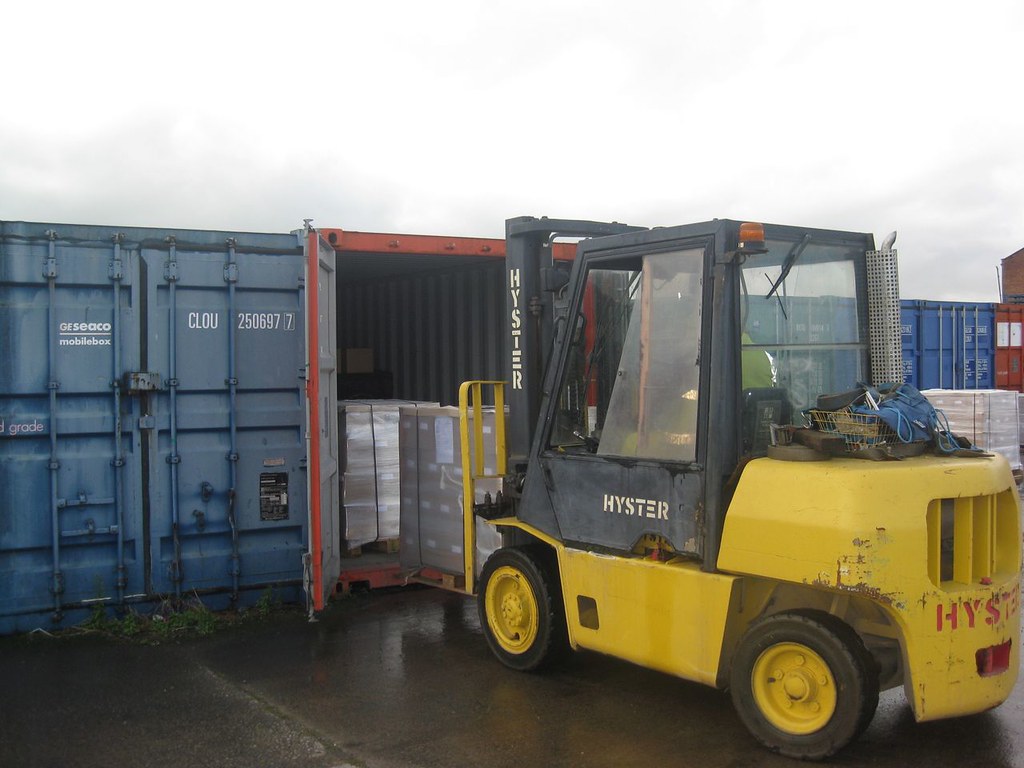
Key Cost Factors for China Ocean Freight
Whether you choose LCL or FCL, your china ocean freight quote is built from the same basic components: the ocean freight rate itself, terminal handling charges at both ends, documentation fees, customs clearance, and insurance. With LCL, add consolidation and de-consolidation fees; with FCL, watch for container detention and demurrage if your cargo sits at the destination port beyond the free time. Exchange rates and fuel surcharges also move quotes, so always confirm whether a rate covers all origin charges or only the basic freight.
Accurate cargo data is the cheapest way to avoid surprises. Measure your cartons carefully and calculate CBM honestly — under-declaring volume may save money on paper but causes re-measurement fees, container re-stuffing, and delays at the Chinese port. A reliable forwarder can also compare ports and sailings for you, because the same sea freight from China can differ significantly between Shanghai, Ningbo, Shenzhen, and Qingdao depending on the carrier and the route.
Get the Best Sea Freight from China
To get the best outcome for your next shipment, book early — especially before the peak season between August and October, when container space tightens and rates climb. Choose a forwarder with strong relationships at Chinese ports who can offer both LCL consolidation and FCL services, and who gives you a single point of contact from booking to delivery. And when you compare the LCL vs FCL shipping from China question, ask for quotes in both options: with accurate CBM and a clear destination, a good forwarder will tell you honestly which one is cheaper.
At GlobalFreight, we help importers worldwide move cargo from Chinese ports with competitive ocean freight and end-to-end support. Whether you need LCL consolidation or a full container load, our team will recommend the right option and keep your shipment on schedule. Visit us at www.globalfreight-cn.com for more information and a free quote.
Need to ship goods from China? We're a China-based freight forwarder focused on export logistics — ocean, air and rail freight from Chinese ports to destinations worldwide. Let's talk about the best route for your cargo.
Or chat with us right now — tap the green WhatsApp bubble at the bottom right corner of this page.
WhatsApp: +86 150 1170 4169
Related reading
- Rail freight from China to Europe — transit times, terminals and what the rate covers
- How to calculate shipping costs from China — the formula behind every quote
- Shipping from China to Europe — sea vs rail vs air compared
Need a number for your own cargo? Send us the route, the volume and the destination and we reply within one business day.